The Church Giving
Ministries > In Touch Ministries with Dr. Charles Stanley
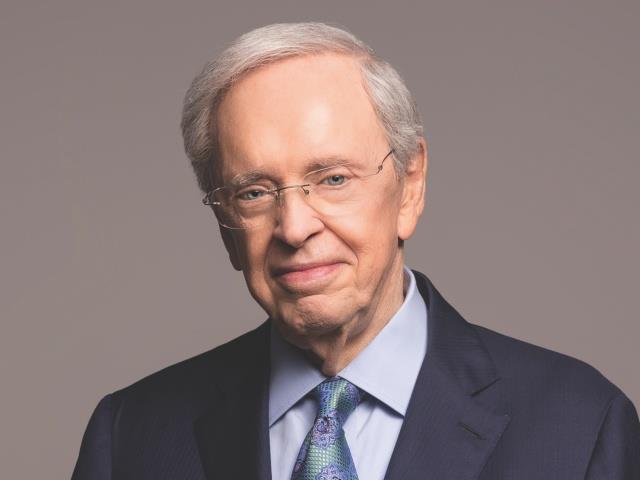
Few things reveal the true condition of our hearts more clearly than how we handle our finances. Dr. Stanley explains that giving has never really been about money but about your relationship with, and faith in, God. Learn what type of giving puts you in a position to receive God's blessing.
Dr. Charles Stanley: Don't get hung up on the money. The money is not even the issue. The issue is what do we rob God of in his place of glory as Jehovah, Yahweh, Elohim? He's the God of this universe and he's saying to us, the purpose of the tithe is acknowledging ownership, lordship, possession, worship, and teaching us those attributes in the Christian life that we all need to learn.
Guest (Male): Have you ever felt uncomfortable or antsy when your pastor starts talking about what the Bible says about money? Maybe that's such a common response because believers don't understand the point of honoring God with our finances. Today, on In Touch, the teaching ministry of Dr. Charles Stanley, we continue our series by highlighting the importance of the church giving.
Dr. Charles Stanley: In Second Corinthians chapter eight, the first six verses, Paul is referring here to the churches up in Macedonia, where like Philippi would be. You would remember that church and the tremendous way they had given. And he's referring to their generosity here as he writes to the Corinthians and he says in verse one of chapter eight: "Now, brethren, we wish to make known to you the grace of God which has been given in the churches of Macedonia. That in a great ordeal of affliction, their abundance of joy and their deep poverty overflowed in the wealth of their liberality. For I testify that according to their ability and beyond their ability, they gave of their own accord." It was their idea. They took the initiative, "begging us with much entreaty for the favor of participation in the support of the saints. And this, not as we had expected, but they first gave themselves to the Lord and to us by the will of God. Consequently, we urged Titus that as he had previously made a beginning, so he would also complete in you this gracious work as well." That is, that they also in the Corinthian church might be as generous and as obedient as they were in the churches in Macedonia. Now, let me tell you what I want to do today. I want to make my introduction very brief because I want to go immediately into the body of this message because I want to talk about what the Bible teaches about giving in the church. And the first question I want to ask and to answer is this: what is the purpose of giving in the church? And let me just go through these for you if I might. We're coming back to the scriptures, this scripture and many, many others. But what is the purpose of giving in the church? First of all, the ultimate purpose, let me say, is not because God is in need. How could God be in need when he says the cattle on a thousand hills are mine, says the Lord? The silver and gold is mine, says the Lord. The earth and all they that dwell therein. So that God doesn't need anything. So what is the purpose of giving? First of all, the first purpose of giving is that we might acknowledge God as our source of all things. Secondly, that we might acknowledge the fact that he is the owner of all things. Thirdly, that there might be provision for those within the body of Christ to have their needs met. Fourthly, that the ministry of the church may go on around the world. He gave us a Great Commission to share the gospel with the whole world. Number five, that those in the body of Christ may be so developed that their faith in the faithfulness of God would be deepened and strengthened. Their faith in the faithfulness of God. Likewise, as a purpose for protecting the believers from greed or covetousness. While you're giving, you're not going to be greedy and covetous. Likewise, as an act of worship on the part of God's people. And if you'll notice, I didn't say anything in the world about the church needing the money or God needing anything. You see, God's work will go on if the purpose for giving is understood and if we give for the right purpose. So the purpose from God's point of view, if you'll notice in each one of those things I mentioned, it is always looking to him. Acknowledging him as the resource. Acknowledging his ownership. Worship toward him. Providing for the needs in the body, which belongs to him. Evangelizing the world, which is to glorify the Lord God Almighty. Strengthening the faith of the people in the faithfulness of God. Protecting them from greed and covetousness, which will shut off God's method and attempt to bless the people. So that the purpose for giving is wrapped up in those seven primary reasons. Now the second thing I want us to answer here is this: the portion of giving that should be given in the church. All right, so what I'd like for us to do is let's just look at the Bible, what it says about this matter of tithing. And let's go all the way back to the very beginning. If you'll remember the 14th chapter of Genesis, that Abraham has gone to battle to fight to save Lot. He's brought him back. And when he comes back, Melchizedek, verse 18, the King of Salem, who is also described in Hebrews chapter seven as the King of Righteousness, the King of Salem, the King of Peace, that he brought out bread and wine. And the Bible says he was a priest of God Most High, Jehovah, God. And he blessed Abraham. He said, "Blessed be Abraham of God Most High, possessor of heaven and earth. And blessed be God Most High who has delivered your enemies into your hands." The response to that was on the part of Abraham, verse 20 there, "And he gave him a tenth of all that he had." That is, Abraham tithed the tenth of all that he had. Now let me ask you a question. Was the law given in Genesis 14? No, it was over 400 years later that God ever gave the law. So we cannot say that Abraham was living under the law. There was no law at that time. He gave to Melchizedek, the King who was in fact a type of Christ. Hebrews chapter seven, that third verse says that in his genealogy, he had no genealogy, no father, no mother, no beginning, no end, which was the way of saying that we do not know about his life. But likewise, he was a type of Christ. And what's happening here is the lesser, Abraham, is giving to the greater, the high priest of God. So what is an expression here? Abraham is expressing his acknowledgment that God is the resource, God is the owner of all things, the priest representing God. And he is worshipping God. Not because the law said do it. Nothing binding, no legalism, just a conviction on his part given unto him by God to worship God by giving a tithe. So we can't say that Abraham started tithing because it was a legalism or a bondage placed on him by God. So that argument doesn't work. Move on over if you will to chapter 28, I believe, if you'll look there for a moment. Look if you will in verse 22: "And this stone which I have set as a pillar will be God's house, and of all that thou dost give me, I will surely give thee a tenth." Still over 400 years before the law was given. That is a conviction on his part. He learned it from Abraham, Isaac, and now he's doing the same thing. A conviction that God gave to them to acknowledge God's ownership, God's possession, and his rightful place of God in their life. So it was an act of worship and devotion on his part. Well, if you'll move on over to Deuteronomy chapter 14, let me show you something here. Now in Deuteronomy chapter 14, the law has been given. And in the law came the teaching of the tithe, which God gave through Moses and to his people. But I want you to see something here as to one of the reasons why God gave the tithe. He says in verse 22 as he's giving them commands in Deuteronomy chapter 14. Watch this now. "Ye shall surely tithe all the produce from what you sow, which comes out of the field every year." Now what they would do is they would tithe all year long. And then at the end of the year, ever so often, they would have a great feast. And the excess that was left over from all that God used the other for, they would have a great feast and praise the Lord and worship him and feast of the tithes. "And ye shall eat in the presence of the Lord your God, at the place where he chooses to establish his name, the tithe of your grain, your new wine, your oil, and the firstborn of your herd and your flock, in order that you may learn to fear the Lord your God always." Now watch this. He says they were to bring their tithe. And then when the time came, there was a time when they could also feast. But he says his ultimate purpose here is to teach them to fear him. He says the cattle on a thousand hills are mine, the silver and gold is mine, says the Lord. The earth and all they that dwell therein are the possession of God. God can speak and he says legions of angels can come. Nothing beyond him, nothing outside of his realm of work that is in keeping with his attributes and his characteristics. So what is he saying here? He's saying that one of the reasons he taught them to tithe was in order that they may have wisdom. Now what does the Bible say in Proverbs chapter one? What is it that is the beginning of wisdom? What is it? The fear of the Lord is the beginning of wisdom. Let me interpret fear. He does not mean being scared to death of God. The fear of God is the reverence for God. Acknowledging him as God. Acknowledging his ownership. Acknowledging his lordship. To reverence God is to bow before him, to submit myself to him, to acknowledge his rightful place as owner, possessor, lord, and master of my life. Now watch this. So that one of the primary reasons for teaching them to tithe was that they have the privilege of exercising outwardly an outward manifestation of an inward commitment. The commitment was that Jesus Christ, Jehovah in the Old Testament, Jehovah was their God, acknowledging his possession of them, his ownership of them, his lordship over them, his guidance and direction, and their dependence upon him. So in a way, in order that they may continually be reminded of who they were, their relationship to him, he required the tithe. That is one of the primary reasons he says that you may learn to reverence and fear God. Now listen, when we reverence and fear God with our finances, what do we do? We get God in on the control of, the direction and guidance of our finances. And so he says you're to bring the tithe in order to learn to fear God. The beginning of wisdom is to fear God. So that what do we do? We have the reverence for God and the wisdom together. And therefore, if I outwardly and manifestly distribute or to give a tithe and offering to him, I am exercising outwardly what is an inward commitment. So that we're not talking about some legalistic bondage. Well, God taught them to tithe. He taught them to live in the bondage under the tithe. That is never what God intended. He was attempting to teach them about their relationship to him, their dependence upon him, and his willingness to move in to become a part to grant them wisdom in the way they utilize their finances. That has nothing to do with bondage and legalism. Listen, if you're hung up on legalism and bondage about tithing, you've missed the whole point. And my friend, if you go to church and you say, "Oh, I've got to give the tithe one more time," you've missed the point. What he's saying is when you acknowledge his rightful ownership and possession of all that you have, and give that which he has asked that we give him, we are acknowledging ownership, acknowledging possession, acknowledging his lordship. And what does God do? He gets in on the way we control, spend, give, or invest our finances. And therefore, the person who tithes, I believe, will have more wisdom in giving direction to their finances if they do it in the spirit in which God intended them to do it. That is his ultimate purpose. Now, it did become a part of the law. But they were doing it, God led them to do it before the law was ever given. So it isn't a matter of bondage. Listen, if it's bondage, it's because your attitude's all fouled up. It is God's purpose and medium and way of saying, "You give a portion of that which I have required of you. And then you have the right to claim my wisdom and my direction in your finances." And all of us know that God is far wiser in the way to handle finances than we are. Now listen, if you're sitting here and you've excused yourself and you've given a thousand reasons for it, I'm asking you to be open and honest. If you're not open and honest, then you're not honest with yourself. What was God's purpose? Very evident from that passage what God's purpose was. But let's keep going. Let's go on over to Malachi chapter three, the passage that most people know by heart. But here again, we miss the whole point of what God's up to in Malachi chapter three when he said to the people of Israel. He says in verse seven, "From the days of your fathers, you've turned aside from my statutes and have not kept them. Return to me and I will return to you," says the Lord of hosts. "But you say, 'How shall we do it?'" Now listen to verse eight, Malachi chapter three. "Will a man rob God? Yet you have robbed me. But you say, 'How have we robbed thee?' In tithes and offerings." Now I want you to watch this, you're going to miss something very important. Most people stop right there. Well, you've robbed the Lord by robbing him of tithes and offerings. What did we say God needed? God doesn't need anything. He has chosen to provide through his children. But God's never in need. So when he says you've robbed me of tithes and offerings, what was he saying to them? You have robbed me of what? You've what did we say the tithing was? It is an outward manifestation of an internal commitment of devotion, acknowledgment, worship, and praise. What have we robbed God from when we have robbed him of the tithes and offerings? We have robbed him of the honor due him, the praise due him, his place of ownership, possession, and lordship in our life. We have robbed him of the opportunity of demonstrating his faithfulness. So when we rob God of tithes and offerings, listen, don't get hung up on the money. The money is not even the issue. The issue is what do we rob God of in his place of glory as Jehovah, Yahweh, Elohim? He's the God of this universe and he's saying to us, "The purpose of the tithe is acknowledging ownership, lordship, possession, worship," and teaching us those attributes in the Christian life that we all need to learn. So you see, if you get mixed up with dollars and cents, friends, somebody has really, somebody has deceived you. That's not even the issue. God was teaching them. He was teaching them to honor him and he was teaching them as children. That is, let's start somewhere. If you start with the tithe, you see the tithe is only the beginning. On the other hand, those who go to church and say, "I have fulfilled my requirement by tithing." It isn't a matter of requirement. It is a matter of acknowledgment, worship, praise, honor, learning, faithfulness. You see, it is all totally something else than squeezing out my duty. And my friend, if you have excused yourself by saying, "Bible doesn't teach it, therefore I don't do it," when I see thou shalt tithe, I shall. I'm going to tell you, my friend, you can never look God square in the face and tell him you honor him, you worship him, you want to be generous toward his work, you do acknowledge his rightful place as Lord and master of your life. And you mean to tell me he's Lord and you won't even do the little bit that a Hebrew did who was living under the law? That's why I told you in the very beginning, listen to the spirit of this as well as to the black and white print. Look if you will in verse six of Second Corinthians chapter nine. "Now this I say, he who sows sparingly," chinchily, you know, just sort of delves it out a little bit at the time sparingly, "shall also reap" how? "Sparingly." "He who sows bountifully, tithes and offerings, shall reap" what? "Bountifully. Let each one of you do as he has purposed in his heart, not grudgingly or of compulsion, for God loves a cheerful giver. For God's able to make all grace abound to you, that always having all sufficiency in everything, you may have an abundance for every good deed." Now listen, he says when you and I come, now watch this. We're to come out of adoration, praise, worship, acknowledgment, learning, protection. He says we're to come in that spirit. Not greedily, not holding on, not grasping, but generously, he says, because God loves a generous giver. You know why God loves a generous giver so much? Because that's what he is. You talking about generous, brother? He's been generous to you and me. Lovingly, bountifully, generously, God has blessed you. And my friend, do you mean to tell me that you can sit and honestly say before an almighty God who gave his only begotten son at the cross to die for your sin, who has given us this beautiful pattern in the scripture, that you can tell God that you can honestly rationalize, rationalize before God not giving him a minimum of 10% of all that you have to a God who has graciously, bountifully, loved you and blessed you in every aspect of your life? He says when you and I come and give to him cheerfully, what are the results? He says, verse eight, "God is able." Any question about God being able? No question about God being able. God is able to make all grace abound to you. Listen, not legalism, not bondage, but grace. Grace abound to you that always having all sufficiency in everything, you may have an abundance for every good deed. He says, "I'm going to bless you, and bless you, and bless you, and bless you." Look down to verse 11. He says, "And you will be enriched in everything for all liberality, which through us is producing thankfulness to God." He says he's going to protect what you have, he's going to provide for you. And he says you're going to be enriched in everything. Listen, you know what I'd rather have than the money? I'd rather have the riches of the understanding of who almighty God is and all the depths of my capacity to know who he is. But you know what he does? He not only gives that, but he also gives the material provision. So what are we saying concerning the giving in the body of Christ? Simply this: that our giving is a barometer of our devotion, worship, love, and acknowledgment of the lordship of Jesus Christ in our life. You cannot rationalize that away. Secondly, when we tithe and give of beyond that, we put ourselves in a position for the blessings of God that are waiting those who are willing to give and give generously with an open heart. Likewise, the church itself, the body of Christ, is going to grow. You see, you know what that means? When you let go money, you let go on the most difficult things in the world for people to release. And here's what happens: when I release myself to almighty God to obey him, God releases his grace which comes in many forms into your life and mine, into the life of this body, and into the life of the world, if the church would just learn this lesson. And my plea to you, my friend, with all of my heart is this: it has nothing to do with dollars and cents. It has to do with your relationship to God, your devotion and love and acknowledgment of who he is and what he wants to do in your life. And what you have to ask is this: do I love him enough? Do I trust him enough? Do I want his best? Then I'm going to start with a tithe. Not because the local church needs it, but because God deserves it. The pattern is there, the teaching is there, and my God will honor me in the process of it. That's my plea to you, my friend, for your sake and the sake of your family, dad, the sake of the local fellowship that you go to. God will bless you. But he will not bless you violating his principles. And my plea is get in the position for the blessing to come your way.
Guest (Male): Thanks for joining us today for In Touch, the teaching ministry of Dr. Charles Stanley. Are you honoring the Lord with all that he's given you? That means with attitudes and actions. Remember that giving has little to do with cash flow and everything to do with devotion to the Lord. Maybe this was a new understanding of tithing and offerings that you would like to hear again. If so, a replay of this message is available by clicking on "Today on Radio" at intouch.org. And if you'd like to have a copy of Dr. Stanley's complete message, you can order at our online store. The title is "The Church Giving" or you can have it as part of the teaching set titled "Uniquely a People of God". Again, that's intouch.org. To call or text, it's 1-800-IN-TOUCH. You can write to us at In Touch, Post Office Box 7900, Atlanta, Georgia, 30357. How do you know if you're really successful? Some insight is coming up in today's Moment with Charles Stanley. There is an inexplicable joy that comes from understanding scripture and learning how to apply it in our own life. The Charles F. Stanley Life Principles Bible includes 30 foundational truths that Dr. Stanley has learned from over 60 years of ministry. It's available in the New King James Version, New International Version, the King James Version, and New American Standard Bible version. To order, call 1-800-IN-TOUCH or go to intouch.org/store. We've all experienced seasons of loss. Times when we are thriving and moments when things seem to fall apart. These stages can often leave us feeling unsure of how to move forward, needing to rebuild. The In Touch Rebuild workbook is a resource that will help you rebuild a formal life of sustaining faith and intimacy with God. Begin your journey today. Visit intouch.org/rebuild. From the Pastor's Heart is an in-depth teaching letter that's inspired by the teaching of Dr. Charles Stanley. To receive In Touch's From the Pastor's Heart letter, call 1-800-IN-TOUCH or visit intouch.org/pastorsheart. You're listening to In Touch. It's not your bank account that signals true wealth. Here's a moment with Charles Stanley.
Dr. Charles Stanley: A man who is really successful is successful first of all in his spirit and from there outward to what he possesses. You see, a man who has lots of money and is dead on the inside is a poor man faking the world out. Now here's what he's saying. He's saying that a man's worth, that a man's walk, and that a man's wealth is related to this ability and capacity to be quiet, tranquilized, not with pills, but the presence of God. And the presence of God whereby he's able to trust him totally confident that he has everything under control. Visit us at intouch.org to learn more about prospering in your spirit through a relationship with Jesus Christ. And if today's program has motivated you to obey God in a new way, we'd love to hear from you.
Guest (Male): Upcoming on In Touch, the church giving shouldn't be just focused on what's going on within the walls of the building. Get a big vision for what we're called to be doing around the world when you join us again for In Touch, the teaching ministry of Dr. Charles Stanley. This program is a presentation of In Touch Ministries, Atlanta, Georgia, and remains on this station through the grace of God and your faithful prayers and gifts.
Related Episodes
The Power of the Church
Tuesday, August 25
Worship in the Church
Monday, August 24
How God Gets Our Attention - Part 2
Saturday, August 22
Related Videos
About In Touch Ministries
In Touch Ministries is the broadcast teaching ministry of Dr. Charles Stanley.
About Dr. Charles Stanley
Dr. Charles Stanley
September 25, 1932 – April 18, 2023
Dr. Charles F. Stanley was the senior pastor of First Baptist Church Atlanta for more than fifty years. He was also the founder of In Touch Ministries and a New York Times best-selling author, who wrote more than seventy books encouraging people to seek Jesus as their Savior and know Him as their wise and loving Lord.
Known to audiences around the world through his wide-reaching TV and radio broadcasts, Stanley modeled his 65 years of ministry after the apostle Paul’s message in Acts 20:24: “Life is worth nothing unless I use it for doing the work assigned me by the Lord Jesus—the work of telling others the Good News about God’s mighty kindness and love.”
Contact In Touch Ministries with Dr. Charles Stanley
Mailing Address
In Touch Ministries
PO Box 7900
Atlanta, GA 30357
Phone Number
1-800-468-6824


